Mar 22, 2013

National Nutrition Month: Spotlight on Healthy Fats

As one of the macronutrients, fat is essential in your diet. But, ounce for ounce, fat contains twice as many calories than protein and carbohydrates. Therefore, high-fat foods can lead to many unneeded calories more easily.


There are different kinds of fats in food. They are different because of the chemical structure. There are two main kinds: saturated and unsaturated.

Saturated means it is carrying the maximum number of hydrogen atoms (no points of unsaturation). It's like a bus with no empty seats. Unsaturated is just the opposite.

Within unsaturated fats we have monounsaturated (missing one hydrogen atom) and polyunsaturated (missing two or more). Your body can make all the fatty acids it needs, except for two!
These are called essential fatty acids and they are the Omega 6 (Linoleic acid) and Omega 3 (Linolenic acid). Because our body does not make these, it means we have to get them from our food sources in order for our body to function properly.

As a good rule of thumb, the more liquid a fat is at room temperature, the more unsaturated it is (for example, oil vs. butter).


Transfat is a fat that has been chemically altered by man. It is an unsaturated fat (liquid at room temp), that has been hydrogenated in order for it to be more stable and prevent spoilage. Because of this hydrogenation (adding hydrogen atoms), we have reduced the health benefits of the unsaturatedness of the fat.


So what now? Stick to a majority of your fats from mono and polyunsaturated fats. And you'll be off to a great start! Also, I'd suggest reading the ingredients labels. Now that you know "hydrogenated" usually means transfat, you should shy away from those ingredients. Furthermore, if you have the option between chips fried in coconut oil, and those fried in safflower oil, you'll know which ones to chose!


Where to find what fats:
Saturated: animal fat, butter, cheese, chocolate, coconut, cocoa butter, coconut oil, cream, hydrogenated oils, lard, palm oil, shortening, margarine.
Polyunsaturated: almonds, corn oil, cottonseed oil, filberts, fish, liquid/soft margarine, mayonaise, pecans, safflower oil, sesame oil, soybean oil, sunflower oil, walnuts
Monounsaturated: almonds, avocados, canola oil, cashews, olive oil, olives, peanut butter, peanut oil, poultry
Omega-3s: canola and soybean oils, flaxseed oil, oily coldwater fish (salmon, mackerel, tuna), soy foods, walnuts, wheat germ
Trans fat: margarine (hard stick), cake, cookies, doughnuts, crackers, chips, meat and dairy products, hydrogenated peanut butter, shortening, many fast foods

Mar 4, 2013

National Nutrition Month: Spotlight on Greens

March is National Nutrition Month! I am so excited to share more information with you this month!
I will be highlighting one aspect of nutrition each week of March to shed more light on these interesting topics. First up is GREENS and BEANS! If you have any recipes for leafy greens or legumes, please share!

Today's Spolight: Kale

Kale is such a nutritional powerhouse! It is in the cruciferous vegetable family which includes cauliflower, cabbage, cress, bok choy, broccoli, Brussels sprouts, collard greens, mustar greens, turnip greens, and much more. It's got 1327.6% of your daily value of Vitamin K, 354.1% DV of Vitamin A, and 88.8% DV of Vitamin C (and that's after it's cooked!)! If steamed, it helps lower cholesterol significantly. Also, kale is being studied as a food that lowers the risk of at least 5 types of caner. Lastly, it can help reduce inflammation and detoxify the body naturally. Include this green and other cruciferous veggies in your diet at least 2-3 times per week. Enjoy raw in smoothies, steamed, in a salad, or sautéed! (Plus, look how pretty it is!)

Check out Chef John's great recipe for a delicious healthy Kale Salad! Thanks, Chef John! Be sure to check out his site at Foodwishes.com


Feb 15, 2013

Q & A : Vitamins and Supplements

I asked my friends on Facebook what questions they had about nutrition, food, exercise, etc. Now I'm going to answer them. If you have any questions, please leave a comment here or on Facebook or Twitter.

Note: I am not a big proponent of supplements, so my answers might be skewed in that direction. I believe that if you monitor your diet, you should be able to get all the vitamins and minerals you need. I understand that not everyone can eat like a rockstar, so daily vitamins and supplements are ideal. 


Q: "I am taking "Greens+Multi+" once every morning, it is this powder you mix in water or juice. It is from GNC. Should I still take my daily vitamin too?" -Barbara


A: First off, I'd like to remind everyone that vitamins and minerals do not provide energy. They help support cell growth and maintenance, which helps your body use food more efficiently for fuel, but they themselves provide no energy. I also want to note that the water soluble vitamins (B6, B12, C, Thiamin, Riboflavin, Niacin, Folate, Pantothenic acid, Biotin) rarely reach toxic levels in the body; the body excretes these vitamins if blood levels rise too high. The fat-soluble vitamins (A, D, E, K) are stored in fat, and are flushed out slower, thus it is more likely to build toxic levels. So Barbara, click here and look at your list of vitamins and minerals found in your supplement and compare to your daily vitamin. I assume that they have similar levels of vitamins and minerals. You are probably okay picking one or the other in combination with a healthy diet. Just note that your body has an easier time using vitamins and minerals that come from natural sources instead of pill and powder form.


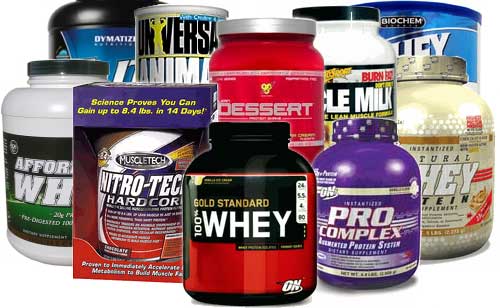
Q: "What's the proper way to use protein supplements (powder) if you don't want to gain weight but just stay full? Say for a meal supplement" -Allyce


A: Great question! Those who are looking for a meal supplement in protein powder often have trouble keeping the calories on the lower side. Once people add everything they want to a smoothie with protein powder, it comes out to 500+ calories. On the other hand, many guys use protein shakes as a muscle building snack (usually after workouts) and don't care so much about the calorie count. If you want a low-cal meal supplement, start with a low-cal, low-fat, low-sugar powder (these usually don't taste the best, but they're out there). Second, add 1/2c frozen berries. Berries are the fruit with the lowest sugar and calorie count. Third, add half a banana (optional), water (or milk depending on how many calories you want), and ice. This recipe has a good balance of flavor and calorie count, but I've seen many people just mix protein powder with water or milk. 


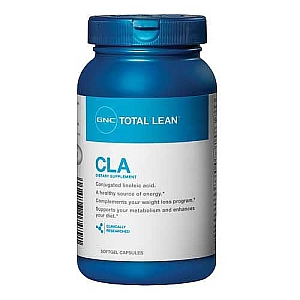
Q: "What's your thought on CLA?" -Bryan
A: Conjugated Linoleic Acid is being studied for it's affects on weight management. The current studies are not proving much of any claim. There were no significant figures in weight loss or body fat regain. Learn more here. Also, if you know your fats well, you recognize "linoleic acid" as a polyunsaturated essential fatty acid. Essential meaning your body doesn't make these fatty acids, so you have to get them from food sources. Linoleic specifically is Omega 6. Conjugated linoleic is a slightly different/altered form, but can be found naturally in grass-fed meats and eggs. As stated here, men need about 17 grams of linoleic acid a day. And as you can see on the label, this supplement only offers 4% of your daily needs. You can get plenty of omega 6s by eating nuts, healthy oils, and soy products!

Jan 20, 2013

Top 6 Snacks for Weight Loss

I've compiled my favorite snacks that will help you manage your waistline and keep you full until your next meal. These are foods that I keep in my house on a regular basis. It would do you good to make sure you have one of these snacks on your person at all times for emergencies. I find that many poor food decisions are made because you get too hungry without proper food choices and your willpower fails. If you know you have a healthy option to tide you over, you are less likely to make poor choices.


1. Hummus + Veggies: Whether you make your own hummus or buy it at the store, it is a creamy dip for your crispy, crunchy vegetables. When you're craving chips, the crunch of fresh veggies will help you satisfy that craving. Just make sure you don't overdo-it on your hummus serving sizes.

2. Fresh Fruit: Sweet and satisfying. With so many different fruits to chose from, there's sure to be a few that you like. Chose one piece for easy grab-n-go or make a fun, colorful fruit salad.

3. Apples + PB: One of my favorite afternoon indulgences! This is a great snack because the peanut butter will keep you full for a long time. You could definitely get yourself in trouble here, though. Just 2 Tbls of PB is about 200 calories. Yep. BUT, you really don't need all that much. Measure out your peanut butter the first few times and you'll be able to eyeball it in the future. Also, make sure you use natural PB. No artificial sweeteners or preservatives, etc.


4. Kale: Kale chips! The best thing since popcorn! Here's what you do: Clean kale thoroughly, dry thoroughly. Tear into chip-size pieces. Spray with olive oil spray and sprinkle with sea salt. Bake at 350 for about 15 minutes until dark and crispy. Kale is also a great addition to smoothies and shakes!


5. Non-Fat Greek Yogurt: Lots of protein, no fat. Creamy and delicious! There are so many varieties of Greek yogurt nowadays so just pick ones with the lowest sugar and the best taste to you. If you buy the plain kind, you can add your own fruit and save on some added and refined sugar.

6. Raw Almonds: Serving size: 1/4c I say that first because it's so easy to eat so many of them! If you pre-measure these into snack baggies, you'll be prepared. You'll be able to grab-n-go and they're easy to store them in your book bag or purse or car.


Jan 11, 2013

The Freshman 15 Myth?

If you are a college student, you have most likely heard of the dreaded "Freshman 15." But what do we really know about this phenomenon? There is little research out there to show that a majority of freshman gain 15 pounds during their first year or semester at college (that doesn't mean it doesn't happen). One study at Dartmuth college said that freshman gained only about 3-5 pounds before the end of their first school year. So what's the deal?


Well, let's consider the culmination of all 4 years however long it takes you to graduate college. In a study by Jay L. Zagorsky and Patricia K. Smith, they found that yes, freshman did gain about 3-5 pounds, but so did most college students throughout the rest of their college years. The total weight gain for women was about 9 pounds and men, 13 pounds. Although this doesn't quite reach the "15," these are just samples and studies and are not meant to be accurate for every person out there. 

So now that you know the myth is busted, I'll tell you why some people DO gain weight. I've always chalked it up to a new-found freedom. (1) You haven't been away from home before, so you're doing whatever you want, whenever you want. This lifestyle obviously can take a toll on your eating habits as well. You are no longer told to "eat your vegetables," although I hope you know you should. (2) Also, many college students chose to be on a meal plan. While this seems great (not cooking your first year takes a lot of stress off your shoulders), it can really hinder your chances for maintaining or even losing weight. Although healthy choices ARE out there, it is very difficult to chose a salad over a piece of pizza or wrap over hamburger. Another reason why I'm not a big fan of meal plans is that you do not get to cook. I am a firm believer in learning how to cook for yourself in order to be healthy. (3) If you are always eating out, how will you learn? Being healthy takes time and effort, but once you learn how, it becomes a natural part of life. Taking the time during college to learn how to cook is good "practice" for the rest of your life as a healthy individual.


Let's say you gained the Freshman 15 or you are still afraid of gaining it and you don't know what do to. Here are a few tips to get you in the right direction:


Drink water with meals, not soda! Your body needs water to push through vitamins and minerals to all your cells. If you are not getting enough, you may feel tired and lethargic, and down-right gross! Drinking soda can really pack on the pounds. If you just have to have it, save your soda for a snack in the afternoon or a treat after dinner.

Eat breakfast! This will jumpstart your metabolism. If you've been sleeping all night, your body has gone into starvation mode. This means it is conserving energy and taking anything it gets and restoring fat cells. Eating something as soon as you can in the morning will "wake up" your body and get your metabolism going.

Make sure fruits and vegetables make up HALF (at least) of your plate. Every meal! This will ensure your daily consumption is in an appropriate range.

Do not eat when stressed! Stress eating is a big deal for me, too. I have found other ways to cope with the stresses of writing papers and studying. A good treat is a mental break. Anything that will get you away from a computer or desk WITHOUT food, will help you clear your mind and regroup. Take a 10 minute walk, jog, climb the library stairs a couple times, draw a picture, call your mother. Anything! You may find that you aren't even hungry!


Get enough sleep! Naps ARE cool! (just not during class) Being tired and hungry go hand in hand because of hormones in your body.


Stay active! Chances are your college has a recreation center. It's always fun to try a new fitness class with a friend!

Jan 3, 2013

Mindset for New Years Resolutions Success

Hope you're all having a wonderful new year! Mine has crept up slowly on me, but I'm ready to dive into this year. There are so many exciting things happening in all our lives. I hope this new year brings as much excitement to your life as it has to mine!

Just thought I'd throw out a blog about mindset. We are all a little more conscious of our bodies around this time of year, but let's try to be more conscious of our minds. If we do so, everything will fall into place!

Here's a great article that will get you ready to tackle the new year, head first! I particularly like this because it looks at weight loss as something that can be practical change to your lifestyle and not a burden. I try to teach my clients these principles in their sessions. I am a firm believer in practicality!


Dec 16, 2012

Heart Disease and Nutrition

They are directly correlated. It's pretty scary, but it's true.

You know what? The top killers in this country, Heart Disease, Cancer, Diabetes, and Stroke, are all influenced by a person's nutrition. Of course, there are a number of factors that add up, but eating habits and exercise are a big deal.

Lately I've been thinking a lot about my diet and how I'm probably not taking good care of my arteries. The holidays are a time where I allow myself an extra cookie and keeping them in the freezer or out of sight doesn't always help. I've got to do better! Here's a quick tidbit that will help you think twice about your french fries or cheese addiction (mainly talking to myself here).


These pics might be off-putting at first, but hang with me. It's about to get real.
The chemical process that happens in your arteries is probably too boring for the most of you, but I find it quite interesting. I'll spare you. Basically, when you eat the bad stuff, it leaves behind this "foam" which bursts and leaves behind debris IN YOUR ARTERIES. Gross. This can build up over time and cause plaque in your arteries.

When you eat a healthy diet, exercise regularly, reduce stress, don't smoke, your arteries will look like the first one. Clean, firm, healthy.
When you eat high-fat foods (food with lots of saturated fat, trans fat, and cholesterol), your arteries are more likely to start to build up plaque. This plaque directly, yes, directly correlates with heart disease. If the plaque becomes too thick, you can get a blood clot, heart attacks, and strokes! Ah!

The takeaway: LIMIT fried food, high-fat meats and cheeses, pastries, cookies, cakes, butter, oil, margarine (and other added fats). Get regular exercise to give your heart a good workout. Keep your stress regulated. Get regular blood tests to see where you stand.

Dec 10, 2012

Fastest Weight Loss Results!

This is probably one of the best-kept secrets in the fitness world. Well, I guess it's not really a secret. Any fitness professional will tell you that interval training is the fastest way to burn fat. Here's a basic intro to intervals.

Every interval workout will have a hard working period and a recovery or moderate working period, usually 30 seconds-one minute long. You can adjust your intervals to your current fitness level, but don't be afraid to push yourself!


For instance, if you'd like to be outside or on a treadmill, you could do :
1 minute fast walk / 1 minute jog
1 minute jog / 1 minute sprint
1 minute walk / 1 minute sprint


And you can also vary your sets. For instance, you could do 5 sets option one, 5 sets option two, etc.


Why is interval training so great?
Well, for one, it keeps your body guessing. When your body is doing one activity for long enough, it will get used to it, and you will stop seeing results. So, if your body has to intermittently adjust to something new, it is going to work harder. You are creating an energy (and oxygen) deficit when you train with intervals. In addition, your body will be searching long after your workout session for energy (ie. burn fat).

What's the key?
There's a trick to these, for sure. Your working period has to be tough. Not just tough -- difficult! Also, your resting periods should be easy enough to where you can catch some breath. Obviously you shouldn't make this too hard on yourself, but it really pays off to push it! Lastly, don't overdo it. This exercise works optimally about 3 times a week. Any more than five and you'll be burning muscle which is (most likely) not what you want to be doing.


More examples:
On the stationary bikes- with high resistance, 30 seconds sprint, 30 seconds backed off
                                    - with high resistance, 30 seconds jog, 30 seconds sprint position 3
On stairs- run up 5 flights, jog down 5 flights
              - run up 1 minute, walk down all flights
Treadmills and ellipticals- these usually have an interval setting that can be customized to your time frame and intensity.
Jump rope- 30 seconds fast jumps, 30 seconds slow jumps

Dec 3, 2012

Creamy Balsamic Dressing

I'd like to share one of my most favorite recipes with you because I believe something so delicious should be a part of your diet ;)

Here is a gorgeous, luxurious dressing to adorn your tender spring greens. What I love more than balsamic vinegar is a creamy balsamic.


Here are the ingredients:


Thick stone ground mustard, honey, extra virgin olive oil, pepper, balsamic vinegar, garlic powder, nonfat Greek yogurt, and salt. It's a little bit long, but if you take the time to get everything out before you start, it will go by quickly!

Just grab a bowl and a whisk, and go.

Creamy Balsamic Dressing
(note: I eyeballed all my measurements, and you can do so too. Also, I love the idea of balsamic and orange together, so don't be afraid to add orange juice or zest!)

Baby greens with apples, walnuts, blue cheese.
Toss with this awesome dressing!
Mix together:
2 Tbls mustard
2 Tbls honey
1/4 c balsamic vinegar
salt, pepper, & garlic powder to taste
Whisk these ingredients until combined.
Measure 1/4-1/2 c olive oil (depending on how acidic you like your dressing). Slowly drizzle in oil while vigorously whisking the above mixture. This, plus the mustard, will help emulsify the dressing.
Once the oil has been added, dollop in 1-2 Tbls Greek yogurt and whisk until combined.
You can store like I did in a mason jar and keep in the fridge. Depending on how thick this turns out, you may wish to adjust the amount of balsamic or oil. Try to use this pretty soon as the yogurt has a short shelf-life. But I don't think you'll have any problem eating this. Serving size is 2 Tbls at most.


I love how I have empty ones hanging around, waiting to be filled with a delicious treat!


Nov 22, 2012

Healthy Turkey Day Tips

Today is a day that should be full of joy and thanksgiving. And I know many of you are with your loved ones today, so I'll keep this brief and to-the-point.

On a day like today, you can allow yourself to have a little treat. Here are some suggestions to treat yourself without going off the deep end.

1. Just a little. If you have a buffet-style thanksgiving like my family, just take very small amounts of everything. This way, you won't overdo it on one thing and you get to try everything. This isn't my favorite suggestion, but it works for a lot of people.
2. Fill your plate. With veggies. Pick the BEST vegetable option on the spread, and fill your plate half-full of these veggies. Then do one quarter of your plate with turkey or protein and whatever else you want for the last quarter.
3. Skip the bad stuff the first round. If you have no-nos like mac and cheese or scalloped potatoes, skip them the first plate. When you go back for seconds you can have them, but since you'll likely be full, you won't take as much.
4. Offer to bring a healthy dish. If you're family isn't catching on with your recent health craze, offer to bring a salad, fruit salad, veggie side dish, or turkey breast. You can also have them help you make it, that way they get involved in your success!
5. Get outside! On a beautiful day (like here in ATL), we take advantage of the morning or afternoon by taking a walk with the family. Burn off that pumpkin pie! It'll help you feel a little less guilty, I promise ;)
6. Be thankful. Tell your family and friends how much you love and appreciate them. Sharing love and compassion will improve your health more than you think! Be thankful for yourself too! I am thankful that I have made the decisions to be healthy. I am happy that I am on the road to a healthy future!

I hope you all have a wonderful day.

Nov 10, 2012

Managing Expectations

Today I am inspired to talk about a touchy subject. Let me begin by saying that in no way do I want you to feel discouraged, but I want you to understand it does happen.

Where's your tenacity?
Losing weight is a long, arduous journey in which few succeed. I believe part of the high failure rate is because people set unreal expectations for themselves. When losing weight, it is healthier to take your time. Slow weight loss = permanent weight loss. If you do a crash diet for three weeks and lose 30 lbs (very scary, don't do it), you are much more likely to gain it back quickly once the diet is over. It is MUCH easier to gain weight back than to lose it, trust me! :) Plus, taking your time to do things the right way gives you an opportunity to learn along the journey. Learning how to love yourself at any weight, learning how to fight unhealthy urges, learning how to say "no" and "yes" to the right things.

So, you say, how much weight loss is healthy? Experts give a range of about .5lb-2lbs per week. I honestly thin that 1 lb a week is the healthiest, most measurable way to do it. Here's what I figure: one pound of fat = 3500 calories. So, divide that amount (3500) by the number of days in a week (7) and you'll have the amount of calories you need to eat less of every day in order to lose one pound a week, 500. Thus, if you eat 500 less calories every day, you will lose one pound a week at your current activity level. If you burn more, eat less, you can expect to lose more. If you just burn 500 calories, that still puts you at a deficit for the day, which can also get you down 1 lb a week. I don't know many people who want to take 1000 calories out of their diet, although many people may be eating about 3,000 calories per day, but I think this is an unreal expectation.

So now you say, what can I expect to lose if I stick to my regimen and keep a deficit of 500 calories per day? Well, theoretically, you can expect to lose one pound a week, but (of course there's a ''but'' here) that isn't entirely true. There are so many factors that attribute to weight loss, not to mention the inconsistency of food, eating, environmental factors, exercising, etc. that it is difficult to say exactly. There may be some weeks where you can lose 2 lbs and some where you wont lose any. You may lose some weight very quickly and then plateau. If you do reach a plateau, that means you have to change something about what you're doing (blog post on weight loss plateau to come).


My takeaway for the day is, don't set yourself up for failure. Set small, achievable goals, and not just weight loss. Achievement goals like, "today I want to cook all three meals for myself." Or, "no alcohol except on Friday of this week, and then, just a couple glasses of red wine." In fact, don't keep a scale in the house. Mark your weight loss on the improvements you've made for yourself, not the number you see on the scale. Pat yourself on the back for not eating that stash of Halloween candy. Don't beat yourself up if you don't see the change on the scale you thought you would. These things take time. It took me a good year to lose 50lbs and another good year to build strong, lean muscle. Along the way I learned a lot about food, life, happiness, and even more about the way I think and feel.

Take the time to enjoy the journey! I guarantee that crossing the finish line will feel so much better!

See? Look how happy she is!

Have a healthy day!

Oct 31, 2012

Other salads will be jealous!

Those of you who haven't had a great salad are truly missing out. I'm not saying this because I always make good salads, and I'm not saying this because I think salads are the key to losing weight (cause they totally aren't). But they help.

I've heard "Salads are so disgusting!" What? No! Salads are pretty much my favorite things as well as a fantastic way to use leftovers. Leftovers? Yes, leftovers. Those mushrooms that are a little past their prime? Salad. That 3 day old chicken breast? Salad. Two carrots? Salad. Veggie side dish from last night? Salad. Mashed potatoes? Okay, not that.

One of my all-time favorite salads. Watermelon, Feta, Mint, Arugula. Mmmmm....


In my Food production class we learned about basic compositions of salads. They split a salad into four parts, but in my experience, not every salad has to have any or all of these things: Base, Body, Dressing, Garnish. But again, salads are like the ebb and flow of Brahms 3 or the Rhine river, there are no salad laws and no boundaries!

Base: gives definition to the plate and salad (could be a lettuce cup)
Body: the main ingredient(s)
Dressing: should be used to enhance the flavors of a salad
Garnish: why not make it pretty, even if it's just for yourself. You should enjoy this!

One day a week I will buy enough produce to last me through the week or so and after I've used about half of the veggies for what I had planned, I usually have some fresh left to do whatever I want with. Today I got a little creative with my salad. AND I had just purchased a new salad dressing that is DELICIOUS and well under my "90 calories per serving" rule.

My 2 rules for salad are:
  • Use the proper amount of dressing.
  • Season with salt and pepper. 
If you follow those two things, you should be golden. I have found that seasoning a salad makes a BIG difference. Try it out!

I'd like to share with you what was left in my fridge and what I did with it. Inspired by the Naturally Fresh Ginger Dressing (found in the produce section).


Asian Chopped Veggie Salad
I got a yield of a little more than I could eat, but I finished it two hours later, so adjust yours to how much you'd like to prepare. Use all ingredients as little or as much as your heart desires. Just cut everything to about the same size so you can fit each piece on your fork at the same time. Green onions would be good in here. I didn't have any

1 large carrot, grated (could be chopped small if you don't have a grater)
2" piece of cucumber, 1/4" dices
about 5 cherry or grape tomatoes, quartered
1/3 green pepper, 1/4" dices
1-2 Tbls ginger dressing
salt and pepper to taste (I didn't need any)

Mix. Enjoy.

I decided to leave the chicken separate because it tasted pretty good. But feel free to chop it up and toss it with everything else.
Another salad I've been making recently: 
Roasted Pear Salad

Roast a pear in the oven with a little lemon juice and agave. Place on top of spinach tossed in 2 tsp olive oil, 1 tsp balsamic vinegar, and salt and pepper. Your choice of nuts, dried fruit and cheese. Here I used toasted walnuts, craisins, and a yummy cheese from Trader Joes because that's what I had. It is super delicious with gorgonzola or bleu cheese melted on the pear! Drizzle a little balsamic or balsamic reduction on top, Enjoy!

Oct 21, 2012

Essential Kitchen Utensils for Healthy Eating

Previously I've talked about how to eat healthy for life. The lesson there was, learn how to cook if you don't know how. But some things you may not learn about cooking right away.

I've compiled these things together to hopefully expand your kitchen utensil knowledge and get you ready to prepare your meals with ease. Here we go!

Knives!
Check out this video from Food Network, but don’t pay attention to what she says about the honing steel. Those usually do NOT sharpen knives, they just straighten out the blade.

http://www.foodnetwork.com/videos/knife-basics/65741.html
So to recap what she said, you need three sharp knives. A utility knife, like a santoku, a small paring knife, and a serrated knife. Just a hint, you cannot sharpen a serrated knife with traditional methods, you must take it to a place that sharpens knives.

Here are mine:
Serrated, santoku, santoku, paring knife 

Closeup of serrated. DO NOT SHARPEN AT HOME!

This is how I store mine


Also, do NOT think you have to buy a $300 knife. There are perfectly good, respectable brands sold at TJMaxx, Marshalls, Ross, etc. Just search for ones that fit you and what you need. They range from $4 to $12 there and honestly, thats where I get most of my knives. You may also consider purchasing a sharpener at one of these locations as well.  Just make sure it’s not made out of steel. You need something like a stone material to actually sharpen a knife. There should be two sections: a coarse side and a fine side.

Cutting Boards!
These are a must have. You will need at least two cutting boards, one specifically for meats (non-wooden), and a wooden one. If you like the plastic ones, go ahead and buy two. I just recommend wooden because I like the weight (it doesn’t move around when I chop) and it sounds cool. If you use a wooden cutting board for meat, you can easily promote the growth of harmful bacteria, yuck! If you chose a light-weight cutting board, be sure to grab some of that non-slip drawer liner stuff. This will prevent you from sliding around with sharp knives and it will save your fingers. 
Here are mine:
And no, we do not actually use the specific ones for specific things. Just keep raw meats on plastic.


Pots and Pans!
Most single people can survive with 3-4 pots and pans. If you love to cook, you’ll probably expand your collection every year or so. Again, no worries on buying expensive stuff, HomeGoods, TJMaxx, and Marshalls work great. Just be sure to pick the best quality one you can find. 
I recommend a medium pot, a small, nonstick skillet, and a large skillet. You may find that you need a large soup pot as well.
Here are mine:
Medium saucepan

Large skillet

Small (dirty) nonstick for eggs!


Mixing Bowls! 
Found at Wal-mart. Here are mine:
Two sizes come in handy often


Used for salads, meatballs, etc.

Spatulas and More!
You will probably need 1 pair of tongs, stainless steel, one rubber scraping spatula, and a very flat spatula. I’ll show you a pic:
Rubber spatula, tongs, flat metal (could be heat-resistant plastic) spatula


I also cannot live without my microplane!

That’s basically it! You can pretty much cook anything with these utensils and you don’t have to break the bank doing so.

Oct 8, 2012

Roasted Red Pepper Hummus


Although hummus from the grocery store usually has a fine list of ingredients with little preservatives and stuff you can’t pronounce, it’s still nice to be able to know exactly what is in your food. And it’s fun to cook! 

This is a great and simple recipe, especially on the fly. You can tailor it to your tastes by changing up the spices and other ingredients. Add-ins like spinach, pine nuts, basil, cilantro, jalepenos, olives....the list goes on and on! You can even use it for a cocktail or dinner party and people will be very impressed!

It takes about 5 minutes total to make. The only thing you have to think about is all the veggies you need to dip into it! For example, carrots, cucumber, broccoli, cauliflower, radishes, peppers, cherry tomatoes...another list that goes on and on!


I went ahead and placed mine in a couple different to-go containers.
Roasted Red Pepper Hummus
1 can low-sodium garbanzo beans, rinsed and drained
1-2 roasted red peppers, chopped
2 small cloves garlic, roughly chopped
3 Tbls tahini (optional)
2 Tbls Sambal (Asian garlic chile sauce, optional)
1/4 tsp cumin
1/4 tsp paprika
1/4 tsp corriander
1/2 tsp oregano (or a couple sprigs fresh oregano)
juice from 1/2 lemon
salt & pepper to taste

Throw all ingredients into a food processor or blender and blend until smooth. Slowly drizzle in 1/4 c extra virgin olive oil while processor is running. Blend until the desired consistency. Can be served cold, room temp, or baked. Bake at 350 until heated through. Garnish with crumbled feta cheese.

Sep 30, 2012

Eating Healthy for Life


How do you maintain a healthy lifestyle...for life? How do you go about learning what foods are good, what cooking methods make foods less nutrient-dense, and what to eat when you go out to dinner?

One thing that helped me tremendously was my interest in food and cooking. I swear, from ages 11 to now I’ve been obsessed with Food Network TV. Luckily, I had an amazing mother who taught me several things about cooking, chopping, and so forth, but I did pick up a lot from watching others on TV.

To answer the questions, out of personal experience, I’d say, “Learn how to cook.” 
Basic cooking principles and knowledge that is taught simultaneously will help you learn more about food. Yes, butter is delicious, but olive oil is too and can be used as a substitute. Poultry is super lean because the fat is on top of the muscle instead of integrated throughout like pork and beef. Just as your dishes should have variety, so should your diet. Variety of colors in your daily diet is key to getting all the vitamins and minerals your body loves. These are just some of the things I learned how to do via TV.
I also learned basic spices for food from different regions so I could make life a little more interesting. I’m sure my mother would tell you that when I started cooking for the family, I’d walk over to the spice cabinet and smell all the spices before I added them to the dish. (P.S. That’s a really great way to familiarize yourself with spices!) I digress...


So, if you don’t have access to TV, use the internet. Here or Here.
You can also see what kind of classes your local university offers. I know mine does in the Hospitality Program (which I am taking now, actually).
There are many places, like Williams Sanoma, Cooks Warehouse and many others that have cooking classes (I’ve seen some on scout mob/living social, too).

To answer the questions again, a little more in-depth this time, I’d say, “Eat less processed and more fresh.”
LIMIT intake of these!

Your pantry needs to be pretty bare. Honestly, if you’d look in mine, you might be wondering where all the food is. If you opened the fridge, you’d find it. Your pantry should have foods you eat only about 40% of. Brown rice, oats, whole wheat pasta, dried fruit, (nuts are kept in the freezer), (whole grain bread is kept in the freezer), one bar of dark chocolate, items for the occasional baking (which is usually healthy, I might add), flour, whole wheat flour. Then there’s canned beans, dried lentils, quinoa, split peas, etc, etc.

Then 59% of your food should be in the fridge. Fruits, veggies, dairy (Greek yogurt, yum!), meat, eggs, frozen fruit, the occasional multigrain tortilla.

You may be wondering, what’s the other 1%? Seasoning! Not that seasoning is necessary with raw fruits and veggies, but when cooking, make sure you always use salt and pepper. Adding spices to your foods will make it more lively and more enjoyable as well! 

Just remember, it's not going to happen overnight. Like all other behavior modifications, it takes time, patience, and repeated efforts to make a behavior change.

Here are some other resources:
http://www.foodnetwork.com/healthy-eating/index.html
http://eatgood4life.blogspot.com/

Sep 26, 2012

Words from our Guest Blogger: Corey Emanuel

Just a few words before you start. I used to work for a fitness company, Instant Fitness, where I was the nutrition consultant. I would work with clients of a personal trainer to help them reach their goals faster. Corey was one of those perfect clients who did everything I told him :) and he had amazing results! Read his story:


Corey's healthy breakfast, customized for his specific goals.
In January 2012, I started a journey that has forever changed my life.  I improved my lifestyle through intense weight training, cardio and a new and improved nutritional plan.  Over the span of 9 months, I was able to lose and keep off a total of 12lbs and I also lost 7% body fat.  None of this was easy.  However, what helped me the most was the fact that I was already maintaining a decent diet.  For example, I was already eating breakfast, lunch and dinner.  And I was only eating fast-food a couple of times a week.  Of course, I had to learn what foods were better suited for my desired results.  I learned quickly that carbs are NOT my friend and that high protein servings were indeed the way for me to go.  Where I struggled was a lack of cardio which still today is an uphill battle.  Cardio, for me, takes planning.  I have to make time for it.  However, as I've learned to build it in to my schedule, it's become more of a way of life.  That's the beautiful thing about changing your lifestyle.  You're still in total control.  And as you learn your body, you're able to create the body you want according to a schedule that works best for you.


Corey after his hard work, treating himself to a vacation!


One of the biggest motivating forces behind me wanting to work out consistently is wanting to maximize my potential.  I knew I could achieve better results but I also knew I needed accountability partners in order to do so.  I need to have someone at the gym to say, "You have what it takes to make this a reality!"  I needed someone to email me or text me and say, "How can I help you create your grocery list for the week?"  Through Instant Fitness and the help of Tony and Olivia, I had a team who proved that they cared about me and that was very motivating.  It was also helpful to have a team who was transparent about their own struggles, and to know that I wasn't alone in the ongoing effort to improve my health. I can honestly say that after almost a year of intense training and a more concentrated effort to improve my eating habits, I am not the same person.  I am the person I was always intended to be: strong, healthy and in charge of my total well-being.


__________________________________________________________________________________________________


So, if you're not able to hire a team or personal trainer, who will be your accountability? We all make excuses for ourselves, so who will say "the buck stops here"? You may ask a friend, as a roommate, your mother, father, and if no one else, come to me! I have been helping people lose weight and stay healthy for a while now and I am more than happy to help anyone that comes along. Best results are in person, but I have clients that connect via Skype and telephone.

A BIG "Thank You" goes out to Corey for taking the time to write this blog for me! He is such a great guy and spread sunshine everywhere he goes. I wish him all the best!
If you'd like to learn more about Corey, check out his website here!

If you'd like to get a personal trainer and learn more about Instant Fitness, click here!